

What Is Visual Merchandising and How Can You Apply It in Your Store?
Visual merchandising brings together the decisions that determine how products are presented in a store and how the space is visually organised. In this guide, we explain what it is, how it differs from window dressing, and how to work with elements such as hot and cold zones, focal points, product organisation and signage. We will also explore how to apply these techniques at the point of sale, taking product turnover and seasonal changes into account, with practical examples for different types of retail businesses.
What Is Visual Merchandising?
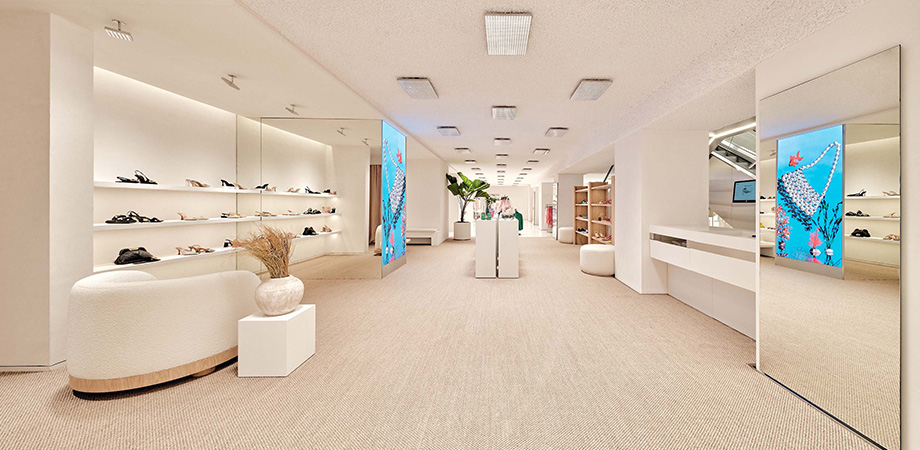
Visual merchandising is the set of techniques used to present products in a visually appealing and strategic way within a commercial space. Its purpose is to attract customers’ attention, make products easier to identify and create an environment that enhances the shopping experience.
To achieve this, different elements are combined, including space planning, lighting, colours, furniture and product placement. These resources should be integrated as part of an overall plan, ensuring that the design of the retail store reflects the brand’s identity while making products easy to display and locate.
Within merchandising, two complementary approaches are generally distinguished. Merchandise management focuses on space profitability, product range and replenishment, while visual merchandising focuses on how the product range looks and is perceived. A successful store balances both approaches to ensure that displays are attractive and commercially effective.
Visual Merchandising vs. Window Dressing
Although closely related, visual merchandising and window dressing are not exactly the same.
Window dressing focuses on the design and composition of shop windows. Its purpose is to attract attention from outside, communicate the store’s personality and spark interest in the products on display.
Visual merchandising has a broader scope, as it covers the visual presentation of the entire store, from the entrance to the shelves, tables and interior display areas.
| Window dressing | Visual merchandising | |
| What it covers | The design and composition of the shop window. | The visual presentation of the entire store, from the entrance to the shelves, tables and interior display areas. |
| What it is designed to achieve
|
To attract attention from outside, communicate the store’s personality and spark interest in the products on display. | To attract customers’ attention, make products easier to identify and create an environment that enhances the shopping experience. |
Merchandising in Retail Stores: Key Objectives
In 2025, retail sales in Spain increased by 4.1% compared with the previous year, according to the Spanish National Statistics Institute (INE). In a market that continues to grow, the way products are presented can make all the difference.
A well-planned strategy can help improve the customer experience and make better use of the store’s resources. Its main objectives include:
- Attracting attention. Shop windows, eye-catching displays and well-designed fixtures help differentiate a business and generate interest in specific products.
- Making shopping easier. A clear layout helps customers find products, compare options and understand how the range is organised. The more intuitive the shopping journey, the less effort customers need to make to find what they are looking for.
- Highlighting strategic products. New arrivals, seasonal collections and priority items can be given greater prominence through their location, lighting or presentation.
- Encouraging complementary sales. Displaying products that are used together can help customers discover related items.
- Strengthening brand identity. Materials, colours, finishes and furniture should maintain a consistent image that reflects the brand’s identity.
- Increasing perceived value. A well-presented product, with enough space and an appropriate display stand, conveys greater quality than the same item piled up on a shelf. This helps justify its price and encourages customers to return.
Elements That Guide the Purchasing Journey
The way products are presented influences what customers notice first, how they interpret the range and which items they decide to explore. Visual merchandising therefore combines different resources to direct attention and make purchasing decisions easier.
Hot and Cold Zones
Hot zones are areas that attract greater customer attention or foot traffic. Cold zones, on the other hand, are spaces that receive fewer visits or tend to go unnoticed.
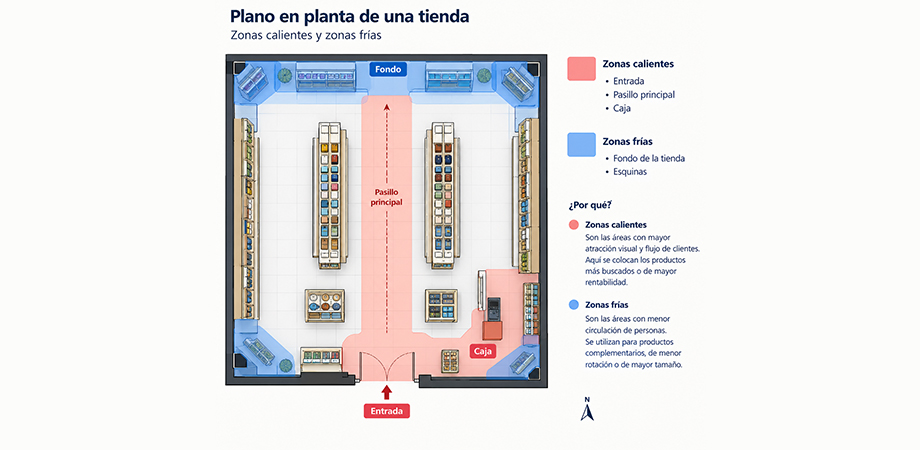
To identify the most valuable areas in your store, it is worth observing customers’ usual routes, analysing sales by area and identifying spaces that receive less attention. If the current layout restricts circulation or prevents the space from being used effectively, a commercial premises refurbishment may be necessary to adapt it to the business’s needs.
Focal Points
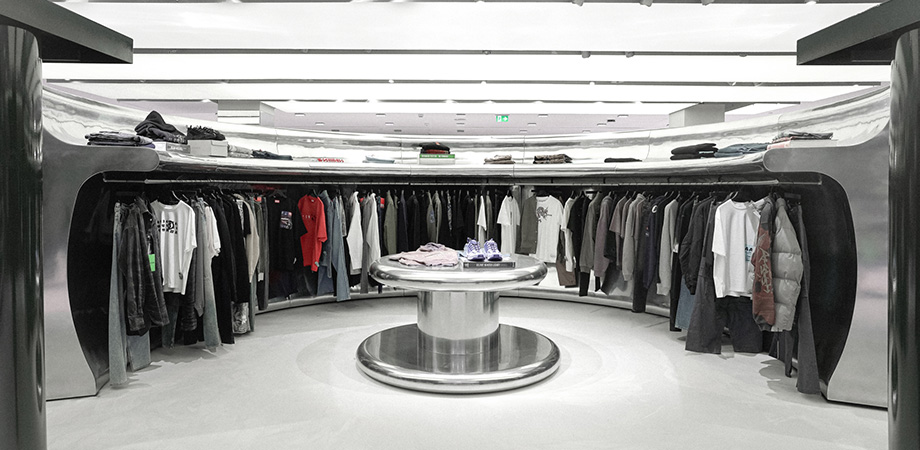
A focal point is a visual element that attracts attention and stands out from its surroundings. It could be a display unit, a central table, a featured product or a decorative installation.
Its position should reflect the customer’s journey and the products the store wants to highlight at any given time. However, too many focal points in the same area should be avoided.
Product Display Organisation
Product organisation affects how easily customers can find what they need and compare different options.
A cluttered display can make products difficult to identify, create a neglected impression and waste valuable space. By contrast, a clear structure helps customers understand the product range and improves their perception of the store.
There are several ways to organise products, depending on the type of store and customer purchasing behaviour:
- By category: Group products from the same range to make them easier to find.
- By colour: Create colour sequences that provide visual continuity.
- By size or format: Arrange products from smallest to largest or according to a defined hierarchy.
- By use or need: Display products together when they address the same need.
- By collection or season: Group new arrivals and related products together.
Display fixtures also influence what customers see and buy. Products that need greater visibility work best at eye level, while lower and higher shelves can be reserved for replenishment items or products with lower turnover.
Customers should be able to reach and handle products without assistance, and displays should not be overcrowded. An overfilled shelf makes choosing more difficult and reduces the prominence of individual products, while an empty-looking one suggests a lack of stock.
Signage and Visual Communication
Signage helps guide customers and communicate relevant information throughout the shopping journey. It includes category signs, section indicators, price labels, promotional messages and other graphic elements used within the store.
Its main purpose is to provide information and help customers find their way around. Clear visual communication makes it easier to locate products, identify offers and understand product features.
To achieve this, it is advisable to use short messages, legible fonts and appropriate contrast between text and background, following the accessibility guidelines for commercial spaces published by Fundación ONCE.
Consistency with brand identity is another key consideration. The colours, graphic elements and materials used in signage should complement the rest of the store design.
Many stores also incorporate digital screens into their signage systems. These make it possible to update messages, prices and campaigns without printing new signs. However, they should be positioned carefully so they do not compete with the products or create unnecessary visual distractions.
Good visual communication informs, guides and supports customers without overwhelming the space with unnecessary messages.
Window Dressing: Making a Strong First Impression
The shop window is one of the main points of contact between a store and the people passing by. Before entering, customers form their first impression of the business through the products, composition, lighting and visual message presented from outside.
An effective shop window usually starts with a concept or theme. The elements that make up the display are then selected based on that idea.
Each element plays a specific role in the composition:
- Lighting: Highlights products and creates different atmospheres.
- Colour: Brings visual consistency to the display.
- Display stands and different heights: Help organise the overall composition.
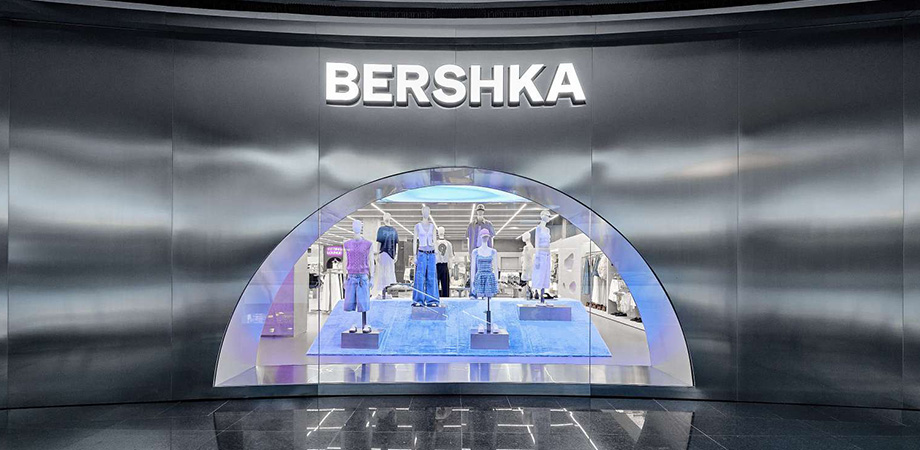
It is also important to control the number of elements on display. An overcrowded shop window can detract from the products themselves. Leaving some empty space helps direct the viewer’s attention and creates a cleaner presentation.
Another key factor is regular renewal. Keeping the shop window up to date makes it possible to showcase new arrivals and adapt the message to different sales campaigns.
Point-of-Sale Merchandising
Point-of-sale merchandising covers decisions relating to product presentation, placement and management within the store.
An attractive display requires regular maintenance and monitoring. To organise this work, it is advisable to establish inspection routines to check the condition of different areas and products.
Product Rotation and Seasonal Displays
Seasonal changes provide opportunities to refresh displays and give greater visibility to specific products. Christmas, sales periods, summer and collection launches are just a few examples, although the calendar will vary depending on the sector.
Visual rotation does not mean changing the entire store constantly. In many cases, it is enough to update a central table, reorganise a display unit or refresh a composition to highlight something new.
The key is to keep the store dynamic without losing consistency or making it difficult for customers to find their usual products.
Measuring In-Store Results
To determine whether a visual merchandising strategy is working, it is necessary to analyse both commercial results and customer behaviour.
A display may look attractive, but that does not necessarily mean it is achieving its objectives. For this reason, it is important to define what you want to improve before making changes and select indicators that allow you to measure progress.
Some of the most useful metrics include:
- Sales by category or product. These help track the performance of items that have been highlighted or repositioned.
- Conversion rate. This measures the number of purchases in relation to the number of store visitors.
- Inventory turnover. This shows how quickly products are sold and replenished.
- Sales by area. Linking transactions to specific areas helps identify which spaces perform well and which need adjustments.
How to Apply Visual Merchandising Step by Step
Applying visual merchandising in a store does not require a complete refurbishment. It is enough to follow a structured process that allows you to make informed decisions and assess whether they have worked.
- Analyse the current customer journey. Observe where customers enter and walk, which areas they stop at and which ones they pass by.
- Set your objectives. Decide what you want to achieve, such as increasing sales in a particular category, showcasing a collection or encouraging complementary purchases.
- Choose the featured products. Select the items that will occupy hot zones and focal points during each period.
- Organise the displays. Group products according to the approach that best suits your customers and adapt the display fixtures to the items you want to showcase.
- Review your signage. Make sure each area is easy to identify and that messages are concise and consistent with the brand.
- Measure and adjust. Compare sales and customer behaviour before and after the changes, then make any necessary adjustments.
Visual Merchandising: Practical Examples
Visual merchandising in retail can be applied in different ways depending on the type of business. The key is to adapt the display to the products, the target audience and the shopping experience you want to create.
- Furniture store: displaying products in lifestyle settings and styles
A furniture store can organise its products by recreating different settings, such as a contemporary living room, a Scandinavian-style dining room or a minimalist bedroom. Rather than displaying each piece of furniture separately, sofas, tables, chairs, lighting and accessories are combined to create complete spaces and help customers imagine how they would look in their own homes.
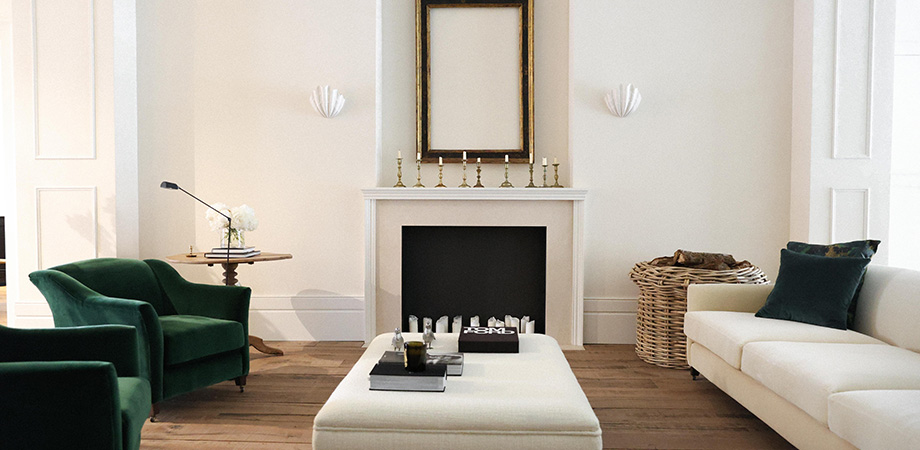
Bespoke display furniture makes it possible to use space more efficiently, incorporate storage solutions and highlight specific pieces without compromising the overall harmony of the display.
- Fashion store: complete outfit displays
A clothing store can showcase an outfit made up of garments, footwear and accessories in a single composition. This allows customers to visualise how different items work together and discover complementary products.
Mannequins, display tables and rails organised by collection help reinforce the overall concept.
- Beauty store: organising products by skincare routine
Rather than organising all products solely by brand, a store can create dedicated areas for facial care routines, moisturising products or sun protection.
This approach makes it easier for customers to identify related products and understand how they fit into a specific routine or need.
What to Check When Reviewing Your Store Displays
Some mistakes are common across many stores and can reduce the effectiveness of product displays, regardless of how good the products themselves are.
- Too many visual stimuli. Too many products, signs or focal points make it difficult for customers to know where to look.
- Changing everything too frequently. If regular customers cannot find what they are looking for, constant changes can have the opposite of the intended effect.
- Neglecting maintenance. A disorganised display or one with empty spaces can look neglected, regardless of how well it was originally planned.
- Ignoring cold zones. Leaving less-visited areas without a clear purpose means missing out on valuable selling space.
- Failing to measure results. Without sales data by area or product, it is impossible to know which changes have been effective.
Bespoke Furniture and Product Displays
Furniture is a central element of visual merchandising because it determines how products are presented, how the space is organised and how customers move around the store.
At Grupo Malasa, we manufacture bespoke furniture for retail spaces, tailoring it to the dimensions of the premises, the type of product and the display requirements of each project. Display units, counters, shelving and other elements can be specially developed to make the most of the available space and integrate seamlessly with the store’s design.
This is what we did, for example, at the Zara Home store in Plaza de España in Madrid, where we manufactured and installed bespoke commercial and display furniture, including perimeter and central fixtures, for a 1,000 m² retail space.
You can see how we have applied these solutions in some of our retail projects.
If you are considering upgrading your store displays, get your project started with us.