

Decarbonization in the building sector has become one of the main challenges facing the real estate and construction industries. Reducing CO₂ emissions throughout the life cycle of buildings—from construction through to use—is key to meeting regulatory requirements and European climate goals.
The building sector is responsible for high energy consumption and a significant portion of greenhouse gas emissions. Therefore, the transition toward more efficient and sustainable buildings involves reducing energy demand, opting for low-carbon materials, and incorporating high-efficiency systems and renewable energy.
In this context, the Technical Building Code (CTE) stands as a key tool for driving this transformation and moving toward nearly zero-energy buildings, in line with the climate neutrality goals set for 2050.
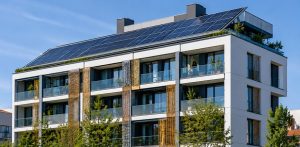
Impact of the Technical Code on the Decarbonization of Assets
The Technical Building Code (CTE) is key to the decarbonization of real estate assets in Spain, as it lays the groundwork for improving energy efficiency in buildings and complying with current regulations.
Through requirements for energy efficiency and energy savings, the CTE has helped reduce energy consumption and emissions in buildings, particularly through improvements in insulation, building systems, and the use of renewable energy.
It has also promoted the adoption of technologies such as solar photovoltaic and thermal energy, reducing dependence on fossil fuels and lowering CO₂ emissions associated with building operations.
Thermal Bridge Mitigation and Thermal Envelope
The building envelope consists of all the elements that separate the interior from the exterior, such as facades, roofs, floors, openings, and windows and doors, and its primary function is to reduce heat loss and gain in order to maintain comfortable conditions with minimal energy consumption.
Thermal bridges are areas where greater heat transfer occurs due to structural discontinuities or changes in materials. These points cause energy loss and increase the demand for heating and cooling.
High-efficiency systems: geothermal energy and renewable energy
High-efficiency systems play a key role in decarbonizing buildings and reducing energy consumption. The goal is to replace fossil fuel systems with more efficient and sustainable technologies capable of providing heating, cooling, and hot water with a lower environmental impact.
Aerothermal energy harnesses the energy contained in the outside air using high-efficiency heat pumps. This technology is capable of generating more thermal energy than it consumes.
Meanwhile, renewable energy sources, particularly solar photovoltaic and solar thermal energy, enable the production of clean energy and reduce dependence on fossil fuels. Solar photovoltaic energy generates electricity for self-consumption, while solar thermal energy is used for domestic hot water production.
Selection of Low-Carbon Building Materials
The selection of materials is a crucial aspect, as it aims to reduce emissions generated during the manufacturing, transportation, and use of building materials.
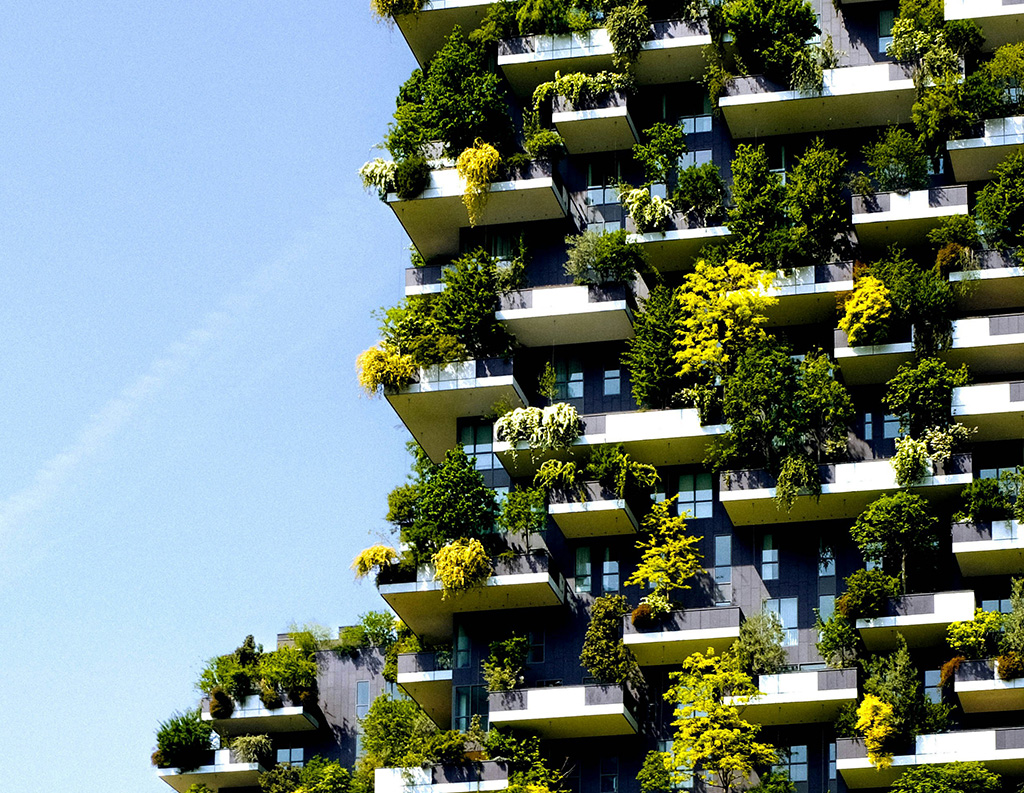
Traditional materials such as cement and steel have a significant environmental impact; currently, the use of sustainable building materials—such as certified wood, recycled materials, and natural insulation—is being promoted.
Tools such as Life Cycle Assessment (LCA) and Environmental Product Declarations (EPD) are used to evaluate their environmental impact.
This strategy is essential for making progress toward the climate neutrality goals promoted by the European Union for 2050.
The future of construction lies in decarbonization
The combination of technology, energy retrofits, and sustainability criteria is transforming the real estate sector toward nearly zero-energy buildings that are prepared for a climate-neutral future.
Sustainable buildings are gaining greater value in the market due to their ability to adapt to new regulatory requirements, reduce risks associated with energy consumption, and offer better living conditions.
All of this reflects our commitment to more responsible construction. We invite you to learn more about our approach to sustainability and some of our projects projects on our website.